Exploring the Zinc Coating on Galvanized Nails: How Much Zinc Is Applied?
Galvanized nails are widely used in construction, woodworking, and outdoor projects due to their enhanced corrosion resistance. The primary factor responsible for their rust-resistant properties is the zinc coating applied to the nails. In this informative guide, we will delve into the topic of how much zinc is typically present on galvanized nails, shedding light on the coating process, benefits, and considerations.
Understanding the Galvanization Process:
Galvanization is a process that involves applying a protective zinc coating to steel or iron nails. This coating provides a barrier between the nail and the surrounding environment, preventing corrosion and extending the lifespan of the fastener. The most common method of galvanization is hot-dip galvanization, where the nails are submerged in a bath of molten zinc.
Zinc Coating Thickness:
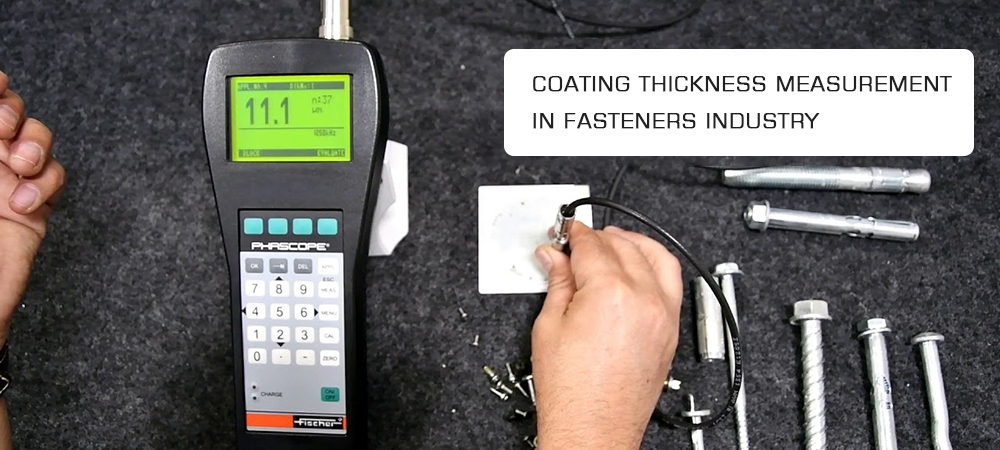
The thickness of the zinc coating on galvanized nails can vary depending on the specific application and industry standards. Generally, the coating thickness is measured in terms of coating weight per unit area and is expressed in ounces per square foot (oz/ft²) or grams per square meter (g/m²). The typical range of zinc coating thickness for galvanized nails falls between 0.5 oz/ft² (150 g/m²) to 1.7 oz/ft² (500 g/m²).
 Benefits of Zinc Coating:
Corrosion Resistance: The primary benefit of the zinc coating on galvanized nails is its superior corrosion resistance. The zinc acts as a sacrificial anode, protecting the underlying steel from rust and corrosion. Even if the coating is scratched or damaged, the zinc will continue to provide protection to the exposed areas.
Durability: Galvanized nails with a sufficient zinc coating can withstand harsh environmental conditions, including exposure to moisture, chemicals, and UV radiation. This durability makes them suitable for outdoor applications, such as decking, fencing, roofing, and marine construction.
Longevity: The corrosion-resistant properties of galvanized nails contribute to their extended lifespan. They have the potential to outlast untreated nails, reducing the need for frequent replacements and saving costs in the long run.
Considerations for Galvanized Nails:
While galvanized nails offer excellent corrosion resistance, it is important to consider the environment and the intended application when selecting the appropriate zinc coating thickness. Factors such as exposure to saltwater, acidic or alkaline substances, and high humidity can affect the rate of corrosion. In harsher environments, a thicker zinc coating may be recommended for optimal protection.
 Additionally, it is crucial to handle galvanized nails with care to avoid damaging the zinc coating during installation. Using appropriate tools, such as galvanized nail gun or hammer, can help maintain the integrity of the coating and ensure long-term performance.
Conclusion:
Galvanized nails are a reliable choice for applications that require corrosion-resistant fasteners. The amount of zinc coating on galvanized nails typically falls within the range of 0.5 oz/ft² (150 g/m²) to 1.7 oz/ft² (500 g/m²), providing effective protection against rust and extending the lifespan of the nails. Understanding the benefits and considerations associated with the zinc coating on galvanized nails allows for informed decision-making when selecting the appropriate fasteners for various projects. Whether it’s construction, woodworking, or outdoor applications, galvanized nails offer durability and longevity, making them an essential component in many industries.