What You Need to Know About Construction Nails
Construction cannot be separated from nails, and nails cannot be separated from construction. Construction and nails are closely related, as long as humans are still building things, people’s demand for nails will not stop.
Construction nails, as the name suggests, are nails used in construction. Building nails can include so many types of nails that people often can’t tell the difference between their characteristics and uses.
Here are some important things people need to know:
1. Common nails
The most practical and most commonly used nails are called common nails. The shape of common nails is the most typical construction nail: wide and flat head, smooth shank, and sharp point.
2. Concrete nails
Another typical construction nail is the cement nail, or the masonry nail. When the hardness of the nail is required by the building, often only the concrete nail can meet the requirements. The masonry nail is usually made of hardened steel and can penetrate the concrete material.
3. Galvanized nails
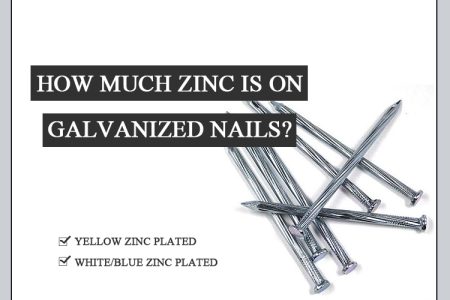
Most nails will have a galvanized coating: hot-dip galvanized, electro-galvanized and mechanically galvanized are all good choices. Nails with a galvanized coating tend to be more corrosion-resistant, less prone to rust, and more suitable for outdoor use operation.
4. Deformed Nails
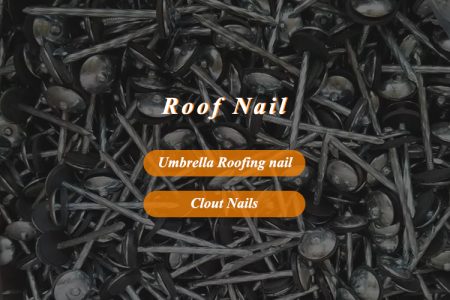
People’s impressions of nails are mostly smooth shank without thread. But in fact, in order to enhance the fastening effect, more and more nails have screw shank. Such as ring shank nails and roofing nails. The fastening effect of these nails is that of ordinary nails several times.
The classification of construction nails is actually very complicated. People can classify them from many aspects such as material, head type, shank type, point type, size and surface treatment process.
If you need to purchase construction nails, contacting us is the most efficient way. MTZ will have professional staff to answer your questions, please feel free to contact us.