
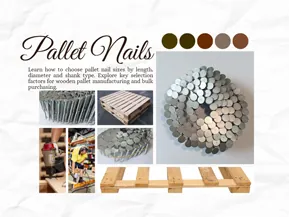
Pallet Nail Sizes: How to Choose the Right Length, Diameter and Shank
Choosing the right pallet nail sizes starts with three factors: nail length, shank diameter, and shank type. The nail must provide adequate penetration into the stringer or block, while its diameter and shank geometry must suit the wood and joint design. For pallet manufacturers and bulk buyers, the right specification also depends on the pallet's intended use, nailing equipment, and applicable performance requirements. This guide explains how to compare these factors and prepare a clear pallet nail specification for supplier...
Which Coil Nailer Can Drive 0.162-Inch 16d Common Nails?
Yes—but only if the coil nailer is specifically rated or verified for the complete nail specification. For a standard 16d common nail measuring 3.5 inches long with a 0.162-inch shank, the tool must accommodate the nail diameter, length, head configuration, collation system, and coil dimensions. The safest choice is a nailer whose manufacturer explicitly lists compatibility with 0.162-inch (approximately 4.1 mm) nails. Tools that are rated for smaller diameters may physically drive certain thicker nails, but user reports should not...
How to Prevent Rust in Bulk Steel Nail Shipments: A Sourcing Manager’s Checklist
You’ve negotiated the wholesale steel nail price, signed the contract, and the container is on its way. Three weeks later, your customer sends photos: rusted nails, rejected shipment, claim pending. In many export claims, the nails themselves may meet the agreed specification—the failure occurs in moisture control and packaging during transit. Packaging is often the weakest link between the factory floor and the destination port. Steel nails are highly susceptible to rust when exposed to moisture and oxygen during ocean transport....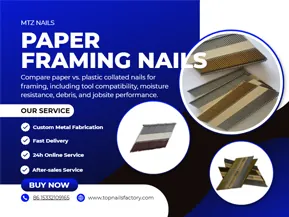
Paper vs. Plastic Collated Nails: Which Is Better for Framing?
Introduction Paper vs plastic collated nails is not simply a choice between two strip materials. For professional framing, the right choice starts with the nailer: approved collation angle, nail diameter, length, head configuration and magazine design. Once those requirements are fixed, paper or plastic becomes a practical purchasing decision. If a strip looks correct but its angle or head does not match the tool, the result can be feeding problems, misfires or an unusable fastener. That is why paper vs plastic...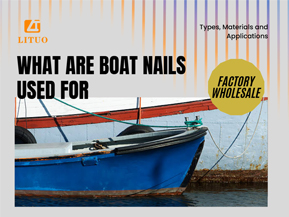
What Are Boat Nails Used For? Types, Materials and Applications
Traditional boat nails are often associated with square or cut-style geometries, but the term is also used more broadly for nails supplied for wooden boat and marine timber applications. What are boat nails used for? Fastening timber in marine and outdoor applications where the fastener must resist pull-out and corrosion. The correct choice depends on the wood species, joint design, exposure conditions, and required corrosion resistance. Boat nails are used primarily in wooden boat construction and repair. They are also specified for...
Umbrella Nails Sizes & Specifications: Complete Buyer’s Guide
When sourcing umbrella nails for roofing applications, buyers typically need to confirm five specifications before placing an order: Diameter (BWG), length, head diameter, shank type, and coating. Selecting the wrong combination can lead to insufficient holding power, corrosion issues, or installation problems. This guide explains how professional buyers evaluate umbrella nail specifications based on application requirements, installation conditions, and export purchasing considerations. What Are Umbrella Head Roofing Nails? Umbrella head roofing nails are fasteners with a wide, domed head designed to prevent pull-through in roofing...