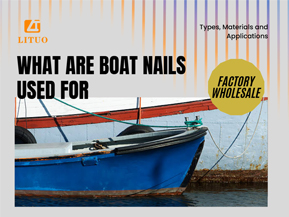
What Are Boat Nails Used For? Types, Materials and Applications
Traditional boat nails are often associated with square or cut-style geometries, but the term is also used more broadly for nails supplied for wooden boat and marine timber applications.
What are boat nails used for? Fastening timber in marine and outdoor applications where the fastener must resist pull-out and corrosion. The correct choice depends on the wood species, joint design, exposure conditions, and required corrosion resistance.
Boat nails are used primarily in wooden boat construction and repair. They are also specified for docks, wharfs, boardwalks, hardwood flooring, heavy timber, and historical restoration, depending on the material, geometry, and exposure conditions.
What Are Boat Nails?
Boat nails are specialized fasteners used primarily in wooden boat construction and repair. Traditional square boat nails are often made as cut or cut-style nails, while modern boat nails are also available in other shank designs and materials.
What makes them different from common wire nails:
-
Square or tapered shank – provides different wood-fiber engagement from round wire nails
-
Rose, oval, or flat head styles – depending on the application and regional preference
-
Material options – galvanized steel, copper, silicon bronze, and stainless steel
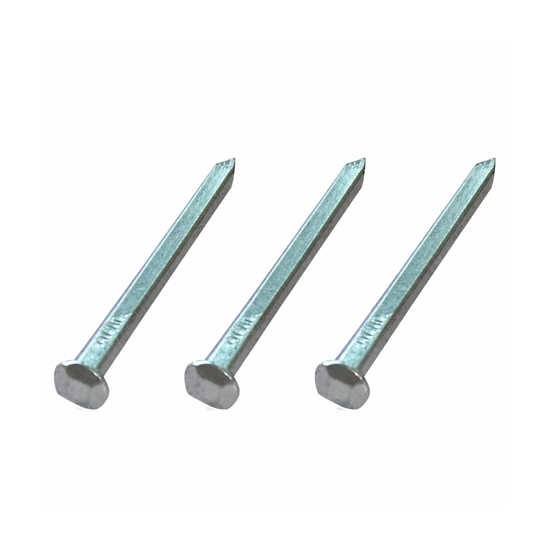 Square shank geometry interacts differently with wood fibers than round wire nails, and its installation and holding behavior can vary with wood species, nail dimensions and installation conditions.
From a manufacturing perspective, the most common specification errors in bulk boat nail orders are: specifying only gauge without actual diameter, not specifying head type, confusing hot-dipped galvanized with electro-galvanized, and not confirming material grade.
What Are Boat Nails Used For?
Boat nails are primarily associated with wooden boat construction and repair, with some square designs also used in other timber applications where their geometry is suitable.
Primary applications:
-
Wooden boat construction – fastening planking to frames and deck beams
-
Wooden boat repair and restoration
-
Traditional timber vessel construction and repair
Secondary and application-dependent uses:
-
Docks and wharfs – where exposure conditions require corrosion-resistant fasteners
-
Boardwalks and marine timber structures
-
Hardwood flooring – face-nailing applications
-
Heavy timber construction – where geometry and holding characteristics are suitable
-
Historical restoration – matching original construction methods and materials
Different markets prefer different head styles: rosehead square shank spikes are used in Southeast Asia, South America, the UK, and Ireland; round head boat nails are used in Scandinavia.
Boat Nail Types and Head/Shank Designs
Boat nails vary by shank geometry, head style, and manufacturing method. The correct type depends on the application and regional practice.
Shank geometries:
-
Square shank – traditional cut-style construction, provides strong wood-fiber engagement
-
Tapered shank – improves driving characteristics in certain wood species
 Head styles:
-
Rosehead – traditional in wooden boat building, decorative exposed finish
-
Flat head – used where a flush finish is required
-
Oval head – provides a finished appearance in visible applications
Boat Nail Materials: How to Choose
Material selection determines corrosion resistance and service life. For marine applications, standard carbon steel without coating will rust quickly. The choice should be based on exposure conditions, timber species, joint design, and expected service life.
Marine environments are not a single category. Consider whether the exposure is:
-
Indoor or protected
-
Outdoor with weather exposure
-
Coastal atmosphere
-
Freshwater
-
Saltwater splash/tidal zone
-
Prolonged wet conditions
| Material | Typical Selection | Typical Applications |
|---|---|---|
| Hot-Dipped Galvanized Steel | Suitable where the specified coating system matches the exposure | Outdoor timber, docks, selected marine applications |
| Copper | Traditional choice for compatible wooden boat construction | Planking, traditional boatbuilding |
| Silicon Bronze | Selected for demanding marine timber applications | Wooden boatbuilding and repair |
| Stainless Steel 304 | Used where the exposure conditions are compatible with the grade | Outdoor and coastal timber |
| Stainless Steel 316 | Commonly selected for chloride-rich environments | Coastal and saltwater exposure |
| Carbon Steel (Q195/Q235) | Generally used where corrosion exposure is limited or protection is provided | Indoor/protected timber applications |
Hot-dipped galvanized steel is a common choice for general marine and outdoor timber applications, while copper, silicon bronze, and stainless steel may be preferred for specific boat-building and high-corrosion environments. For galvanized boat nails, buyers should specify the required coating standard and minimum coating thickness according to the intended application and applicable product requirements.
Copper and silicon bronze are well established in traditional boatbuilding, where material compatibility and the joint design are important to long-term fastening performance. Copper roves can be used with copper nails in traditional clenched or riveted boat construction.
How to Choose Boat Nails for Different Environments
Do not select the nail based on material alone; the exposure condition and joint design should also be considered.
| Project Type | Recommended Material | Sizing Approach | Notes |
|---|---|---|---|
| Traditional wooden boat (saltwater) | Copper or silicon bronze | Selected according to plank and frame thickness | Copper roves recommended for traditional construction |
| Wooden boat (freshwater) | Hot-dipped galvanized steel | Selected according to plank and frame thickness | Suitable where exposure conditions and coating specification allow |
| Dock or wharf construction | Hot-dipped galvanized steel | Selected according to timber thickness and joint design | Corrosion protection required |
| Hardwood flooring | Square cut nails | 4/5″ – 2″ length | Face-nailing application |
| Historical restoration | Matching original material | Based on original specifications | Check historical records |
| Exposed coastal environment | Stainless steel 316 | As specified | Enhanced corrosion resistance for marine exposure |
Boat Nail Sizes and Procurement Specifications
Boat nail dimensions vary by product design and market. Buyers should specify actual shank diameter and length rather than relying on gauge alone.
| Parameter | Common Specification Parameters | Notes |
|---|---|---|
| Shank Diameter | Specified by actual shank diameter and length | Gauge should be treated as a reference, not a substitute for actual diameter |
| Length | Selected according to timber thickness and joint design | Select based on timber thickness and required penetration |
| Head Diameter | Varies by head style and product design | Confirm dimensions for the specific product |
| Head Types | Rose, Oval, Flat | Choose based on application and regional preference |
Head types clarification: Different head shapes suit different applications. Rosehead is traditional in boat building; flat head is used for flush finish; oval head provides a decorative exposed finish.
How to Specify Boat Nails in an RFQ
For bulk procurement, buyers should confirm the following items with the supplier:
-
Material grade – Specify steel grade or copper/silicon bronze composition
-
Shank diameter – In millimeters or inches, not gauge alone
-
Nail length – Confirm overall length and tolerance
-
Head type – Rose, flat, oval, or as specified
-
Head diameter – Confirm dimensions, especially for visible applications
-
Shank geometry – Square, tapered, or other design
-
Surface finish – Uncoated, galvanized, or other treatment
-
Coating type – Electro-galvanized, hot-dipped galvanized, or specified process
-
Coating thickness – Where applicable and measurable
-
Dimensional tolerance – Confirm acceptable variation
-
Packaging – Bulk, boxed, or custom specification
-
Quantity – Total order quantity and batch size
-
Drawing or sample reference – Provide a reference for verification
-
Inspection requirements – Specify what documentation and inspection is required
-
Required certificates – Material test certificates or other documentation
-
Applicable standard – If the order is to a specific standard, reference it
Do not specify only gauge and length. Gauge systems can vary, head dimensions may differ, shank geometry affects fit and holding behavior, and production drawings remove ambiguity.
What a Boat Nail Manufacturer Should Be Able to Provide
A qualified manufacturer should be able to provide the following where required by the purchase specification:
-
Material and coating documentation – Material certificates and coating thickness reports where applicable
-
Dimensional inspection records – Production measurements against the approved drawing or specification
-
Samples and production drawings – For customer approval and custom specifications
-
Packaging and batch traceability – Product identification, quantity, labeling and lot traceability
 Before placing a bulk order, approval of a production sample is preferable to relying solely on catalogue dimensions. For repeat orders, comparing inspection results between lots can help identify variation in production consistency.
When sourcing from a boat nails factory, buyers should verify: material control, dimensional consistency, coating quality, inspection capability, and packaging.
Boat Nails vs Screws for Marine Applications
Boat nails and screws are both used in marine timber construction, but they serve different installation and performance requirements.
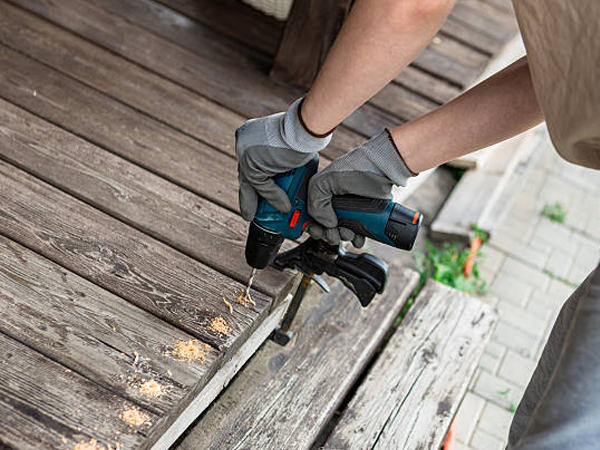
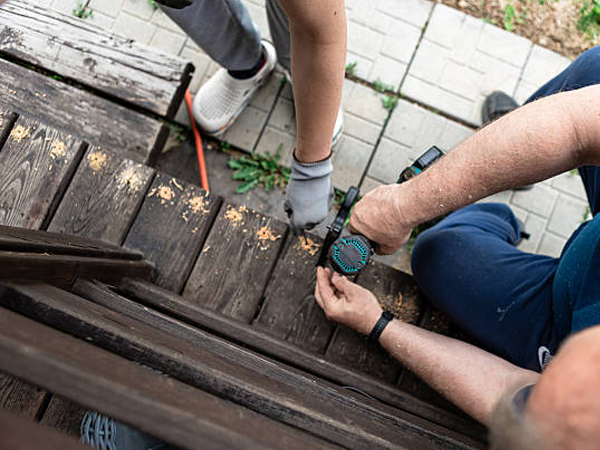
Boat nails can provide efficient installation in high-volume timber fastening applications where the joint is designed for nailed construction. They are typically driven directly, without pre-drilling in suitable wood species.
Screws are often selected when higher withdrawal resistance, disassembly, adjustment, or serviceability is important. They require pre-drilling in most marine timbers and allow future disassembly without damaging the timber.
The appropriate fastener depends on:
-
Joint design and load direction
-
Wood species and density
-
Installation method and available equipment
-
Corrosion environment and required service life
-
Maintenance and repair requirements
Frequently Asked Questions
Can boat nails be used in saltwater?
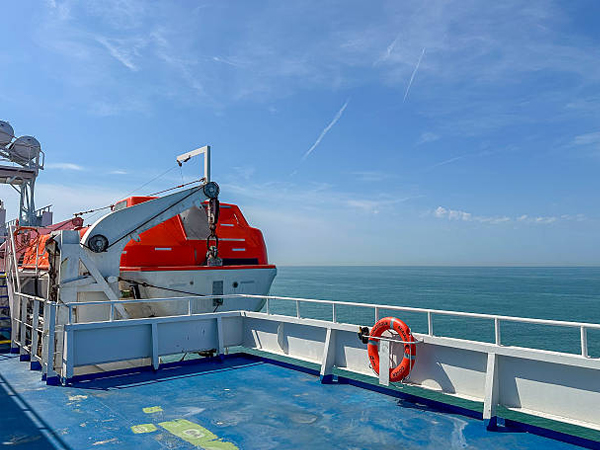
Boat nails can be used in saltwater-related applications, but the material and coating system should be selected according to the actual exposure. Copper, silicon bronze and 316 stainless steel are commonly considered for demanding marine environments, while galvanized steel may be suitable for certain outdoor or marine timber applications when the coating system is appropriate for the exposure.
What material is best for marine boat nails?
Hot-dipped galvanized steel is commonly used for general marine applications. Copper and silicon bronze are preferred for traditional boat construction. Stainless steel 316 is suitable for coastal and saltwater environments where enhanced corrosion resistance is needed.
Is 316 stainless steel better than 304 for coastal exposure?
316 stainless steel generally provides better resistance to chloride-rich environments than 304 stainless steel, making it a common choice for coastal and saltwater exposure.
 Should boat nails be square shank?
Square shank is traditional and provides strong wood-fiber engagement, but boat nails are also available in other shank designs depending on the application and manufacturing method.
Can boat nails be used in hardwood?
Yes, but pre-drilling is recommended for very dense hardwoods. The square shank provides strong holding power once driven.
What dimensions should be included in an RFQ for boat nails?
Specify material grade, shank diameter, length, head type, coating, dimensional tolerance, packaging, and quantity. A drawing or sample reference is also useful for verification.
Summary
Boat nails are specialized fasteners primarily associated with wooden boat construction and repair, with some designs also used in other marine and timber applications. Traditional square boat nails are often made as cut or cut-style nails, while modern boat nails are available in other shank designs and materials. Cut-style and wire nails can show different withdrawal behavior because their geometry and interaction with wood fibers differ. Actual performance depends on wood species, nail dimensions, installation method, and test conditions.
When to specify boat nails: Wooden boat construction, dock building, face-nailing hardwood floors, and historical restoration.
When to avoid them: Indoor applications where standard wire nails are sufficient, or where corrosion resistance is not required.
Before placing a bulk order with a boat nails factory, confirm: material specification, shank diameter, length, head style, coating, dimensional tolerance, packaging, and inspection documentation.
MTZ manufactures square boat nails in carbon steel, stainless steel, and copper-based materials, with product specifications developed according to customer drawings and application requirements. Custom sizes and packaging available for bulk orders.
For custom boat nail specifications, provide the required length, diameter, material, head style and quantity for sample and production review.
MTZ — square boat nails, galvanized marine nails, and custom fastening solutions.