Do Concrete Nails Weaken Walls? Contractor Guide
It’s a common field concern among contractors: will driving concrete nails into solid concrete compromise wall structural integrity? With over 20 years manufacturing and supplying concrete nails to global construction contractors and wholesale distributors, we’ve summed up practical engineering conclusions to resolve this frequent doubt for your construction projects.
The Short Answer (For Your Customers)
No, a reasonable number of nails for concrete walls will not weaken the structure.
Per standard concrete construction practice, properly spaced nail penetration will not impair structural integrity. Damage only occurs when dense clustered nailing creates connected cracks across concrete substrates.
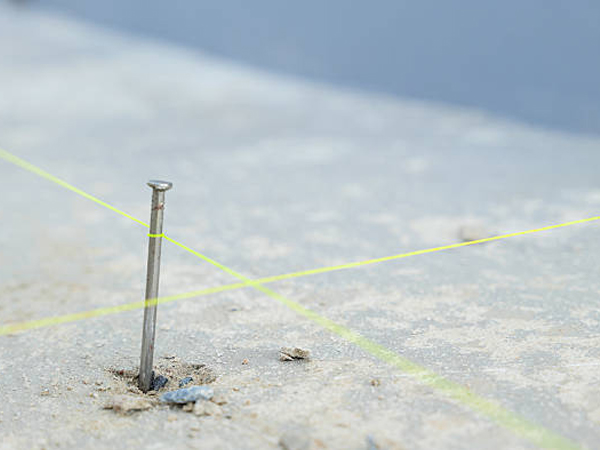 Concrete nails are made from high-carbon steel (C45, C55, C60) with hardness above 50 HRC. They penetrate without displacing large amounts of concrete. A single nail hole is no different from the natural pores and micro-cracks already in any concrete wall.
What can cause problems:
- Clustering nails within one or two inches of each other
- Deep cracks connecting multiple nail holes
- Using a blunt or oversized nail that spalls the surface
On older concrete walls with visible shrinkage cracks, we usually recommend pre-drilling instead of direct hammer driving.
Concrete Nail Types – What MTZ Offers
Different jobs need different concrete nail types. Here’s what we manufacture at MTZ – so you can choose the right one for each project.
Head Types
| Head | Best for |
| Flat | Flush finish, general use |
| Round | Higher impact resistance |
| Oval | Decorative or semi-exposed |
| Mushroom | Heavy-duty, visible fastening |
| Headless | Blind fastening (cosmetic) |
Shank Types
| Shank | Performance |
| Smooth | Light-duty, easy to drive |
| Straight fluted | Better grip, reduces splitting |
| Twilled fluted | Maximum holding power in concrete |
Surface Treatments – Corrosion Resistance
| Finish | Application |
| Hot-dipped galvanized | Outdoor, wet, or coastal areas |
| Electro-galvanized | Indoor, light moisture |
| Blue zinc coated | Higher corrosion resistance |
| Black zinc coated | Aesthetic + moderate protection |
| Mechanical galvanizing | Thick, uniform coating for severe environments |
If you’re fixing nails for concrete walls in a bathroom, basement, or outdoor fence, go with blue zinc or hot-dipped. For indoor, dry applications, black zinc is fine.
Understanding these concrete nail types helps you match the right fastener to each job condition.
Concrete Nail Sizes
Correct concrete nail size selection is critical for secure fastening; too short and it won’t hold. Too long and it risks cracking.
MTZ produces concrete nails from 1″ to 6″ (6d to 60d) with diameters from 5 to 20 gauge.
Quick Selection Guide for Contractors
| Length | Diameter (gauge) | Typical Application |
| 1″ – 1.5″ | 16–20 | Light fixtures, conduit straps, small brackets |
| 1.5″ – 2.5″ | 12–14 | Wood furring strips, window frames, shelving |
| 2.5″ – 4″ | 10–12 | Heavy timber, formwork, structural attachments |
| 4″ – 6″ | 5–9 | Industrial racking, seismic retrofits, bridge forms |
Pro tip for your crew: The nail should penetrate the concrete at least 1″ for light loads, and 1.5″–2″ for structural holding. Add the thickness of the material you’re fastening, then pick the length. Driving hardened concrete nails too close to slab edges often causes corner spalling and surface breakout.
Best Concrete Nails for Concrete Walls – By Job Scenario
| Scenario | Recommended Nail |
| Indoor drywall, plaster, or block | Black zinc coated, smooth shank, 1.5″–2″ |
| Outdoor fence, garden structure | Hot-dipped galvanized, twilled fluted, 2.5″–3″ |
| Basement or bathroom (high humidity) | Blue zinc coated, straight fluted, 2″–2.5″ |
| Heavy storage, equipment mounting | Mushroom head, twilled fluted, hotdipped, 3″–4″ |
| Exposed head for aesthetic finish | Oval or round head, black or blue zinc |
FAQ
Q: Can I use regular steel nails on concrete walls?
A: No. Regular nails are too soft and will bend. Always use hardened concrete nails made from C45–C60 carbon steel.
Q: Will rust bleed through paint on a finished wall?
A: If you use untreated black nails indoors, eventually yes. Use galvanized or zinc-coated concrete nails for any finished wall that matters.
Q: Do concrete nails weaken rebar?
A: No — unless you drive nails directly into embedded rebar. Avoid placing nails where reinforcement is suspected.
Q: What’s your MOQ for concrete nails?
A: 1 metric ton per product. Mixed sizes are welcome. Contact us for smaller sample orders.
Q: Can you customize length or packaging?
A: Yes. MTZ offers OEM customization – special lengths, head stamps, and branded boxes.
Bulk Buying Guide for Contractors and Distributors | MTZ
If you’re purchasing concrete nails by the ton, here’s what you need to know.
Minimum order quantity: 1 metric ton (1,000 kg) per product. Mixed sizes and types allowed within the same ton.
- Packaging options:
Standard: 25 kg per carton
Small boxes (retail-ready)
OEM packaging with your brand
Lead time: 15–30 days for bulk orders, depending on quantity and coating.
Free samples available for qualified buyers – test the nail on your actual concrete before committing.
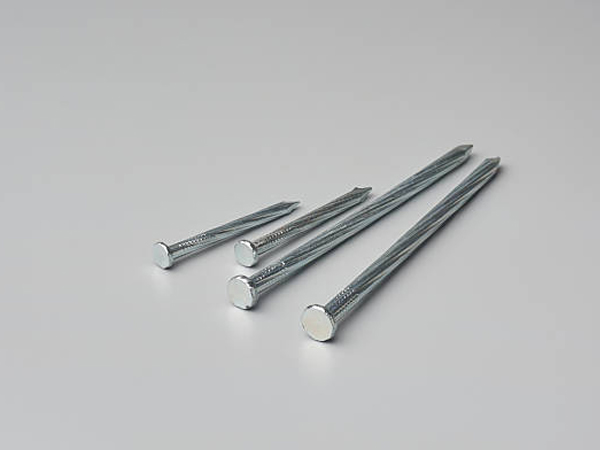 All products pass factory hardness and coating inspection before shipment.
Need a bulk quote for your concrete nails project? Share your required concrete nail size, type and application, and our MTZ engineering team will provide free samples, detailed quotation and professional fastening suggestions tailored to your project.